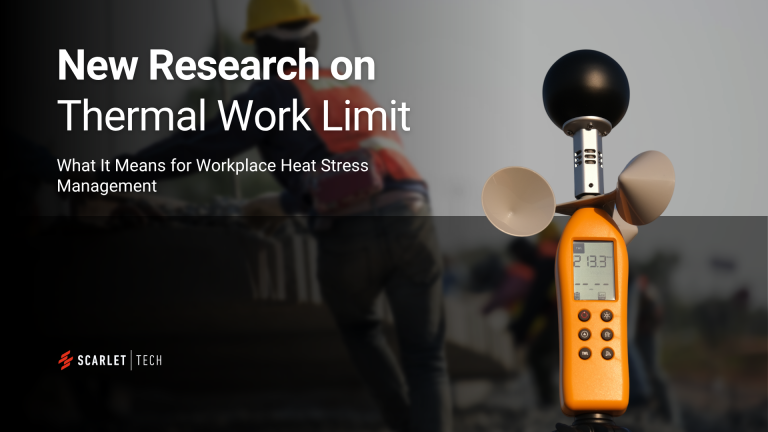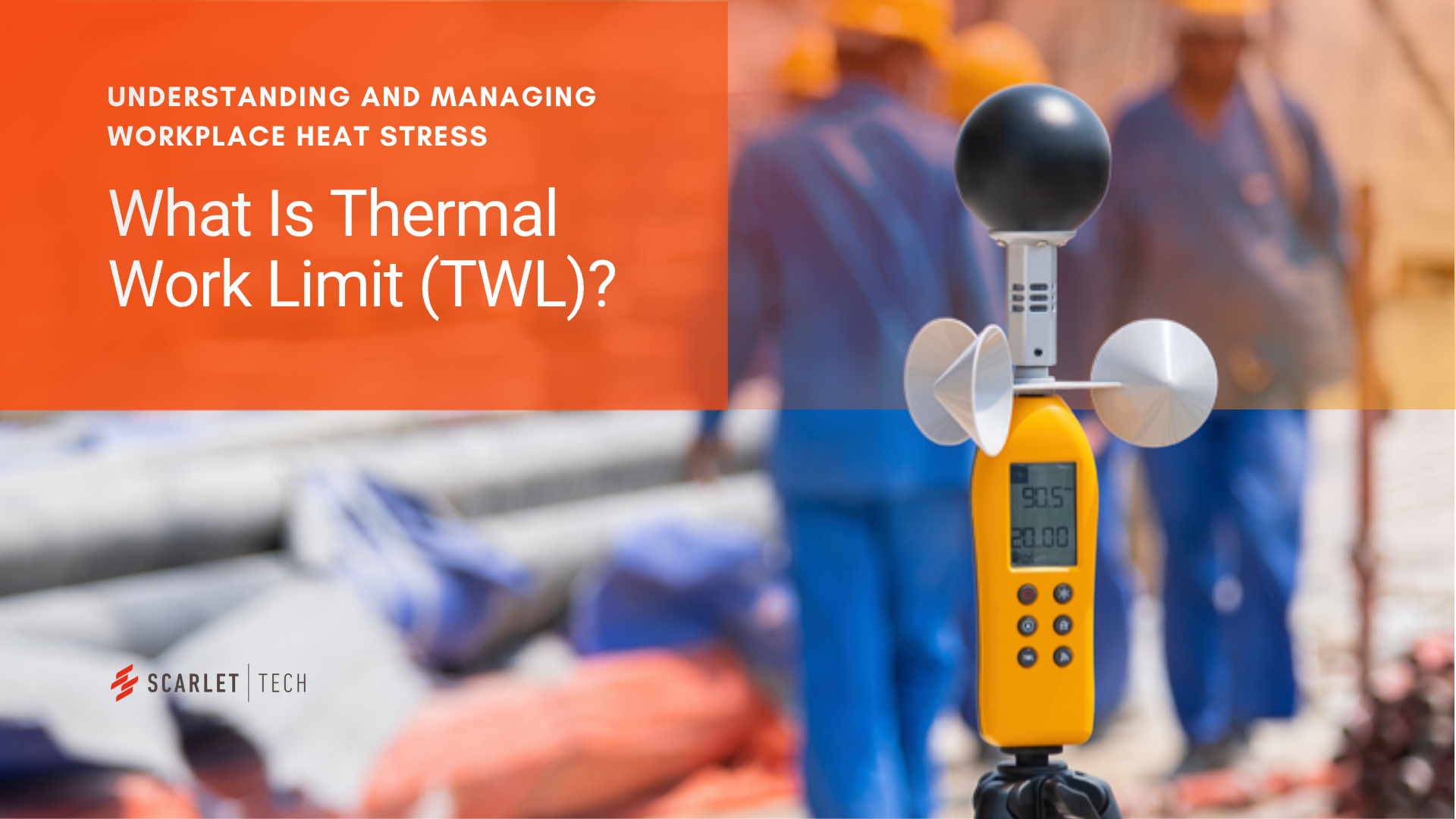
Thermal Work Limit (TWL) is a heat stress index that estimates the maximum sustainable work rate a worker can perform without exceeding safe physiological limits.
TWL considers multiple environmental factors:
- Air temperature
- Humidity
- Radiant heat
- Wind speed (critical factor)
Also considers:
- Clothing
- Acclimatization
- Hydration status
TWL is expressed as: Metabolic rate (W/m²). It represents the maximum safe energy output of a worker under specific environmental conditions.
About Thermal Work Limit
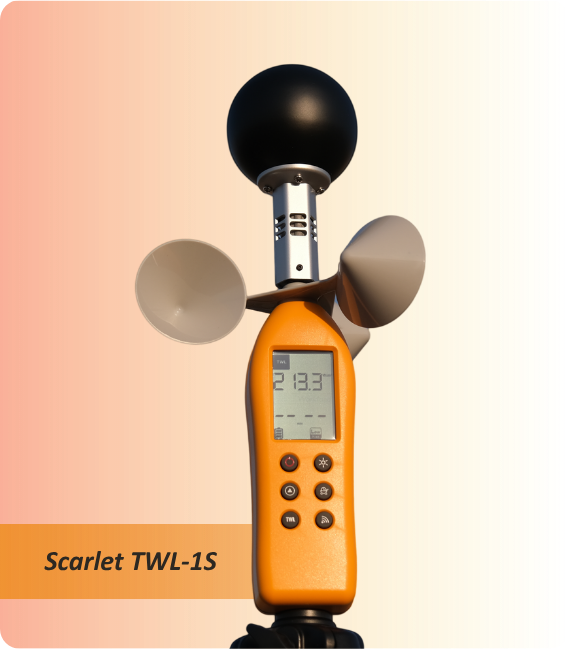
- Dry Bulb Temperature (ambient air temperature) (°C)
- Wet Bulb Temperature (determined by the humidity/evaporation) (°C)
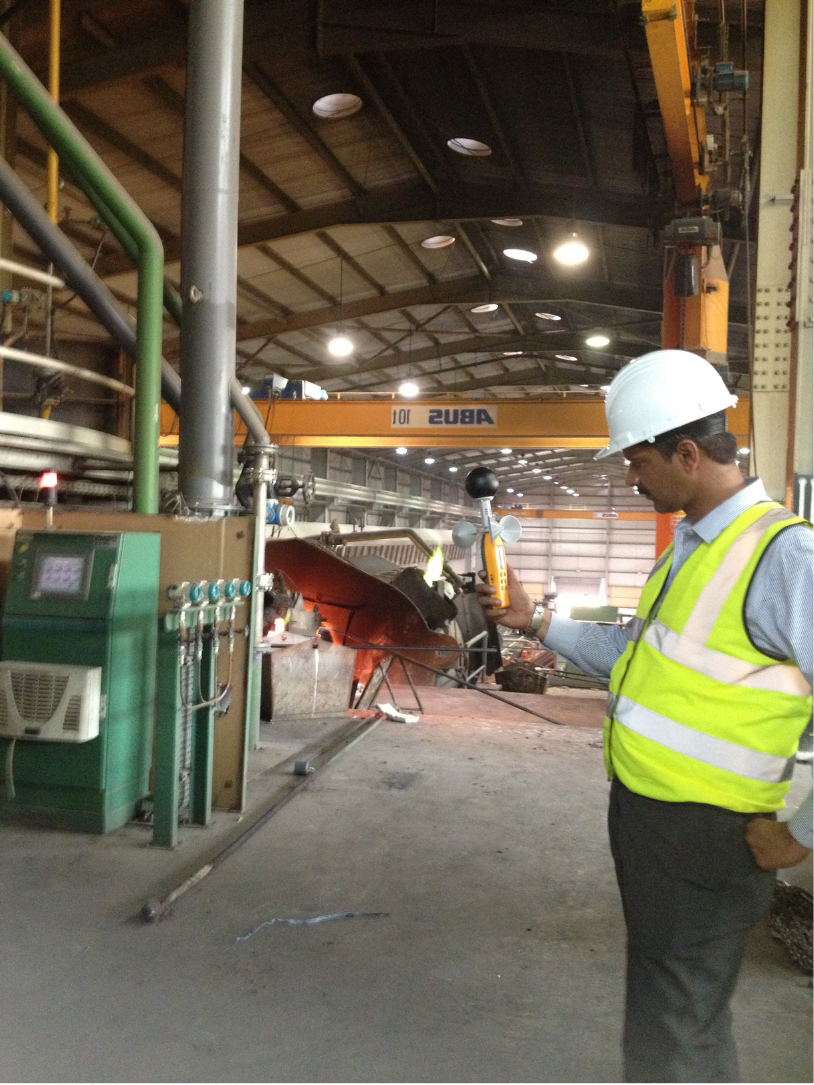
- Globe Temperature (determined by the radiant heat) (°C)
- Wind speed (m/s)
Where to Monitor
All hot work areas should be monitored:
- At least once per shift, during the heat of the day
- At any time that workers complain of excessive heat
- Whenever anyone has reported signs of heat illnesses
What Environmental Parameters Must We Measure?
| Parameter | Measurement Type | Unit | Description |
| Air Temperature | Dry Bulb | °C | Ambient air temperature in shade. Less critical alone but part of the full picture. |
| Wet Bulb Temperature | Humidity Proxy | °C | Most important single parameter. Indicates how effectively sweat can evaporate. High WB = low cooling capacity. |
| Radiant Heat | Globe Thermometer | °C | Heat from sun & hot surfaces measured by a 150mm black hollow copper ball. Critical for outdoor & smelter workers. |
| Wind Speed | Air Movement | m/s | Higher wind = better sweat evaporation = cooler worker. Use air-movers indoors where possible. |
| Metabolic Rate | Work Intensity | W/m² | Harder physical work = more internal heat generated. Must be estimated for each job type. |
| Clothing & PPE | Insulation Factor | – | Overalls, gloves, respirators all trap heat. PPE significantly raises effective heat stress — must be factored in. |
TWL Action Levels — What the Numbers Mean
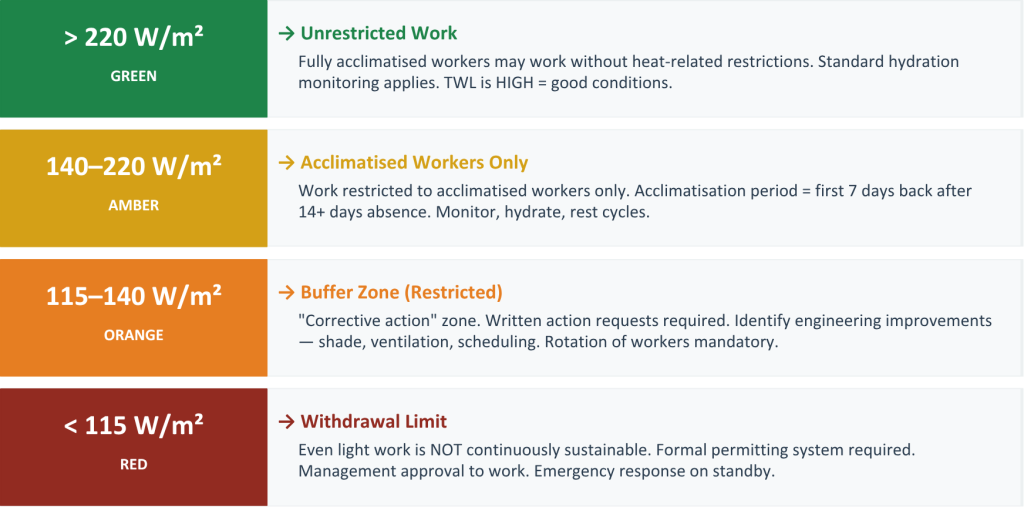
Reference metabolic rate: ~115 W/m² = light manual work (e.g. slow walking, light lifting)
TWL vs WBGT: Why TWL is Superior for Gulf Conditions
| Feature | WBGT | Thermal Work Limit (TWL) |
| Unit | °C (temperature) | W/m² (metabolic rate) |
| Considers wind speed | Partial or None | Yes — critical in Gulf |
| Accounts for clothing/PPE | No | Yes — full adjustments |
| Work-rest scheduling | Basic lookup tables | Directly calculable |
| Individual metabolic rate | No | Yes — job-specific limits |
| Validation in field | Limited Gulf data | Lab + field validated |
| Regulatory adoption | UAE/KSA (some) | UAE/Oman/Australia/ADNOC/ARAMCO |
Why TWL Works: Scientific & Practical Advantages
Physiologically Grounded: Based on human metabolic rate — not just air temperature. Directly linked to when the body can no longer safely maintain thermal balance.
Actionable Output: Single number in W/m² tells supervisors exactly what work intensity is safe. No lookup tables needed.
Wind-Sensitive: Unique among indices: wind speed is a direct input. Critical in Gulf where even a hot breeze provides cooling.
PPE & Clothing Adjustment: Automatically adjusts for overalls, respirators, gloves — reducing misleading green signals.
Self-pacing Compatible: Can predict duration limits and design work-rest cycles for any given thermal environment.