The Body Must Maintain 37°C Core Temperature
Chemical reactions in every cell are optimal at 37°C
Even ±2°C deviation can be life-threatening
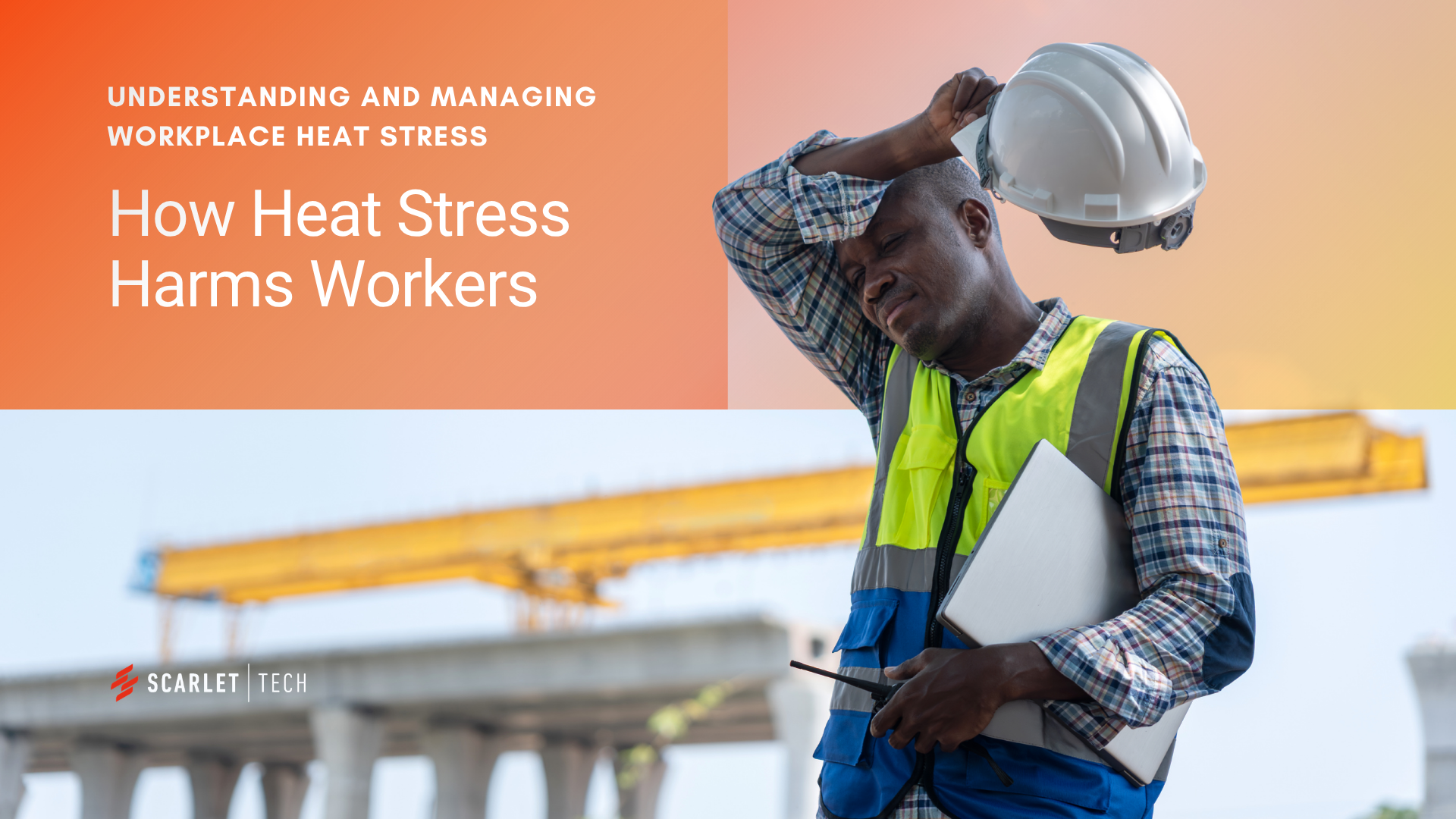
Muscles are only ~10% efficient
Over 90% of energy from physical work becomes heat
The body must continuously dissipate this heat to the environment
Above 37°C ambient, evaporation of sweat is the ONLY cooling mechanism
High humidity blocks sweat evaporation — heat cannot escape
Result: core temperature rises → heat illness → death if unchecked
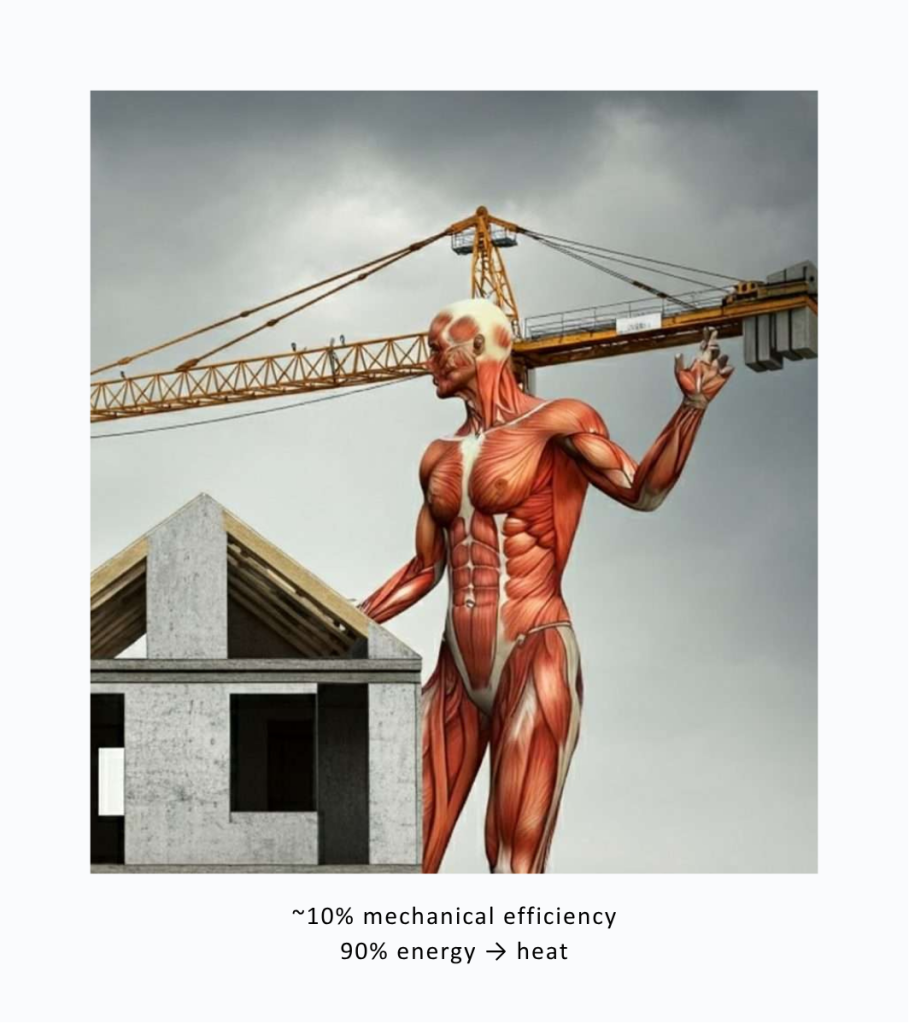
The Heat Balance Equation
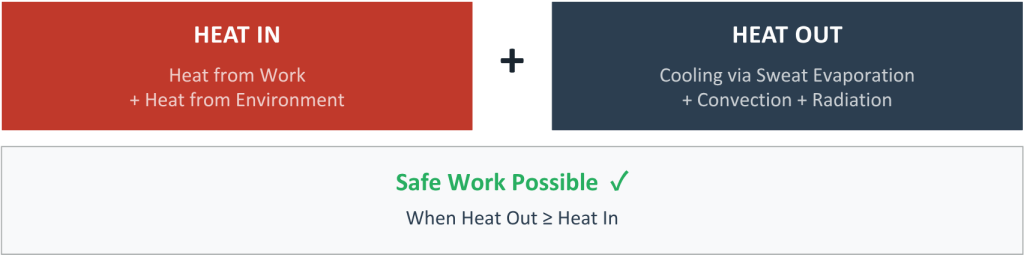
How the Body Loses Heat:

Blood: The Key Component — How Dehydration Happens
Normal Function
Delivers oxygen & nutrients to muscles & organs
Carries heat from working muscles to skin for dissipation
Volume: ~5L (men) / 4L (women)
Sweat comes from blood volume initially
When Dehydrated
↓ Blood volume → less blood to skin → heat not dissipated
↑ Heart rate to compensate → excessive fatigue
↓ Blood to gut → slower fluid absorption
↓ Blood to muscles → reduced work capacity
↓ Blood to brain → poor concentration, accidents
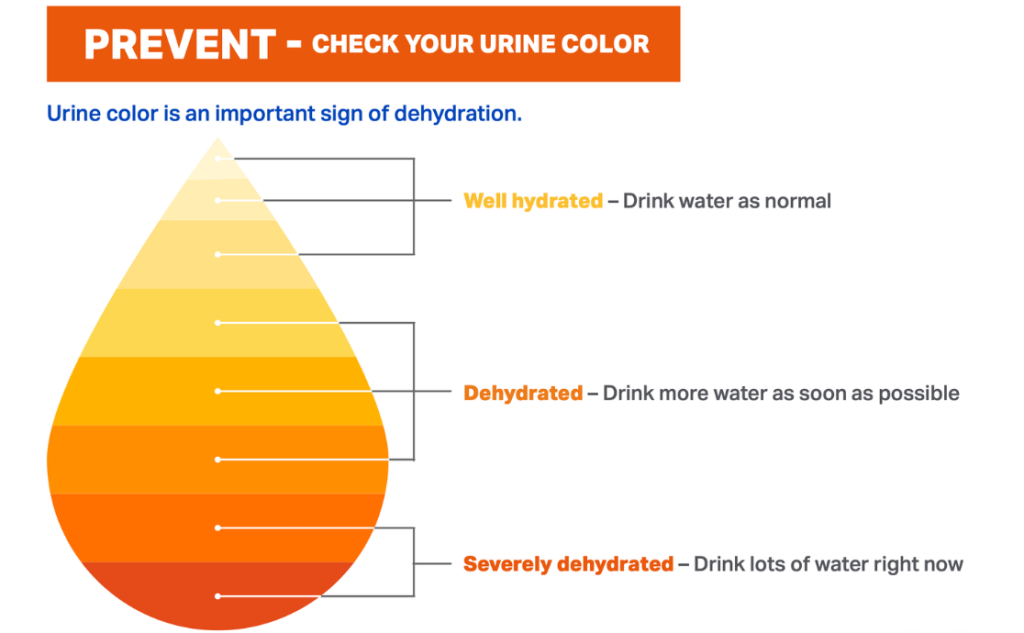
⚠ Thirst only begins at 2% dehydration — workers are already impaired before they feel thirsty! Typically 40% of workers arrive to work already dehydrated.
Dehydration: Impact on Work Performance
Performance Decrements (Bates et al., 2013):
- 1–2% dehydration: 6–7% reduction in physical work rate
- 3–4% dehydration: 22–50% reduction in work rate (moderate to hot environments)
- Mental performance: Begins declining at just 2% dehydration — accident risk rises significantly

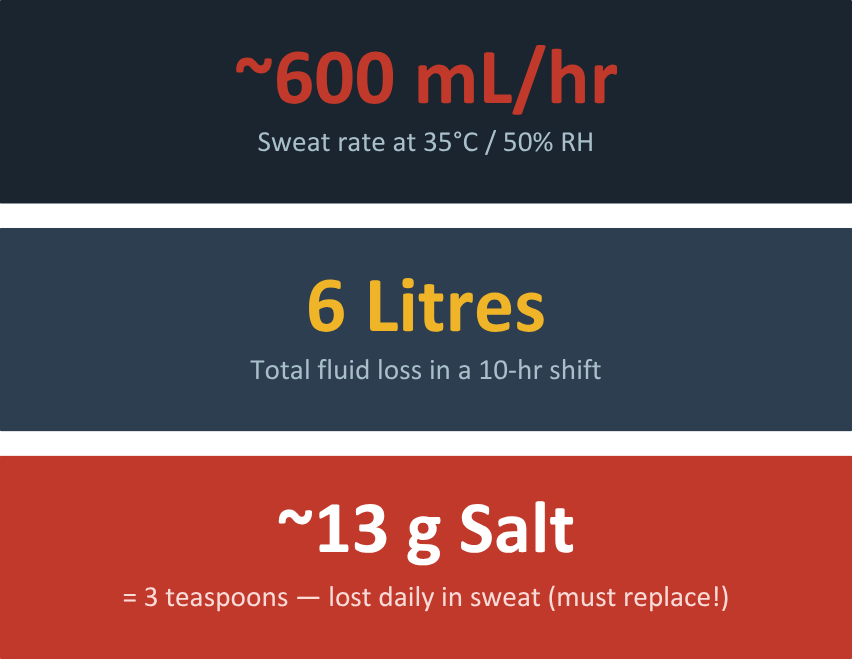
What You’re Losing: Sweat Composition & Rate
What Is Sweat?
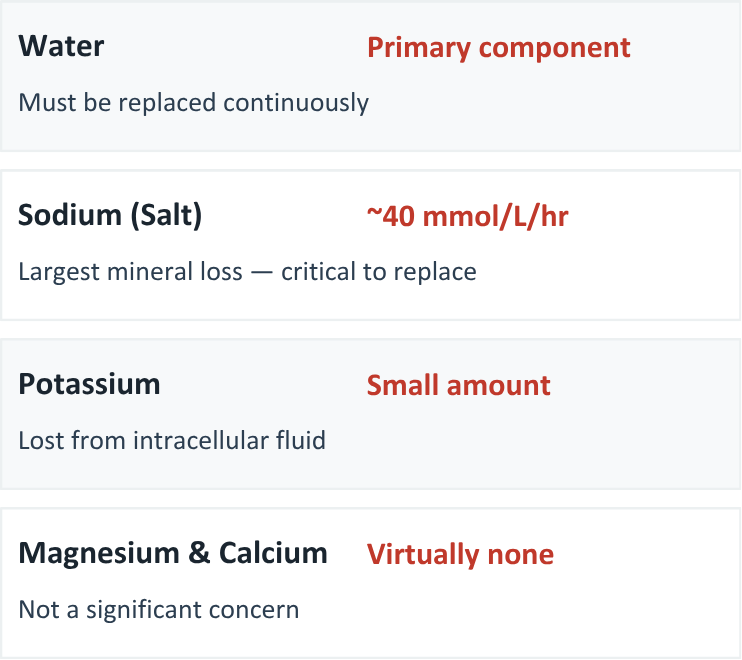
A 10-Hour Shift in Gulf Heat
Hydration: Practical Guidelines for Workers
What to Drink
✓ Water + electrolyte solution
3–4g carbohydrate, 10–20 mmol/L sodium per 100ml is ideal
✓ Programme drinking
Small amounts frequently — do NOT wait until thirsty
✗ Avoid high-sugar sports drinks
Most contain >7% sugar — slows gut absorption
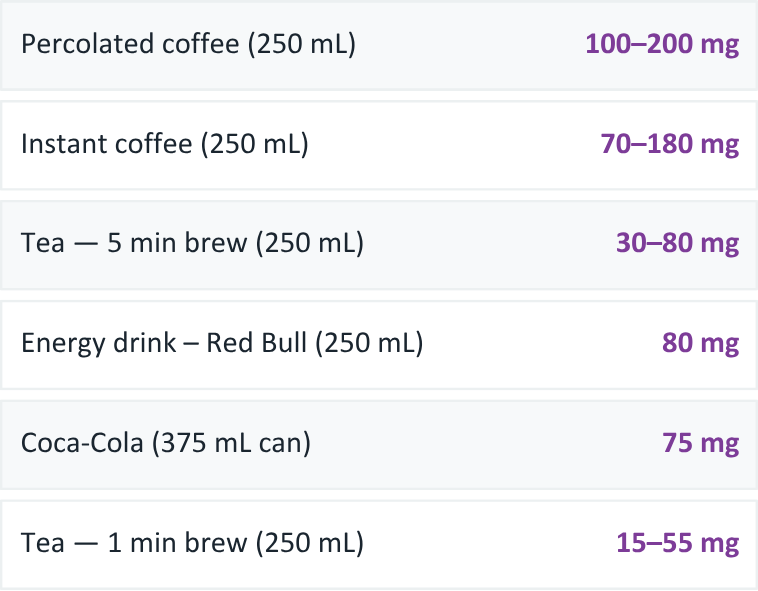
✗ Avoid caffeinated drinks on-site
Coffee, Coke, energy drinks are diuretics (increase urination)
✗ Never use alcohol to rehydrate
3L beer when 3L dehydrated → still 3.5L deficit!
Caffeine & Alcohol: Diuretics That Make It Worse
Caffeine Content in Common Drinks
Alcohol-induced dehydration effect
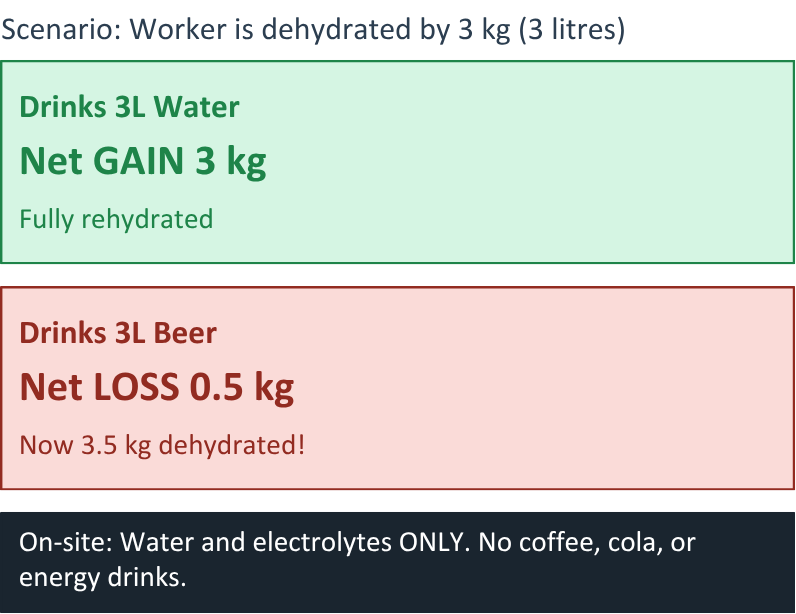
Both caffeine and alcohol are DIURETICS — they cause the body to produce MORE urine, worsening dehydration.
Heat-Related Illnesses: From Fatal to Mild
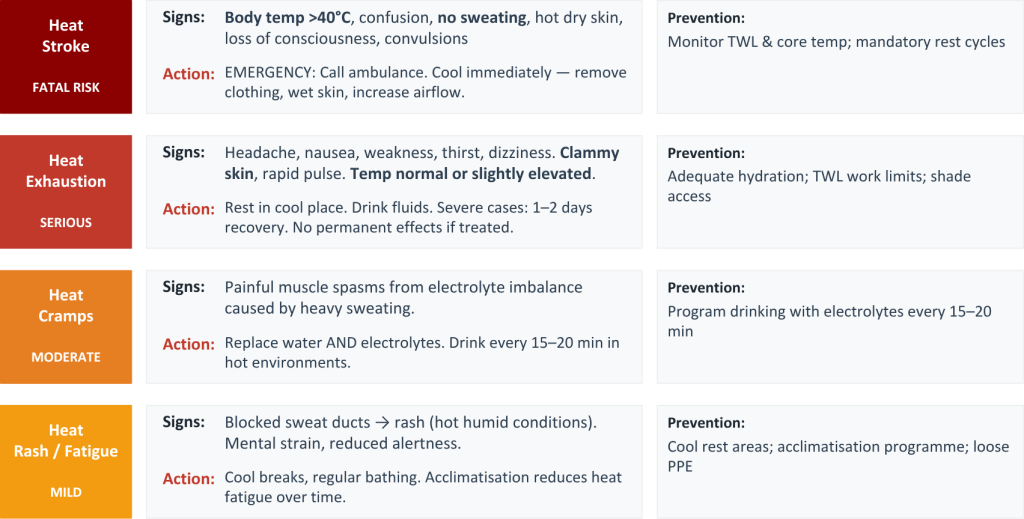
Heat Collapse & Heat-Related Safety Accidents
Heat Collapse (Fainting)
Who is at risk:
Workers unaccustomed to heat who stand upright and immobile for extended periods
Mechanism:
Blood pools in legs → inadequate venous return → insufficient blood to the brain → fainting
Signs:
Dizziness, pale/clammy skin, sudden collapse without prior warning of heat exhaustion
First Aid:
Lie flat with legs elevated; move to cool area; monitor closely; call medical if unresponsive
Prevention:
Keep workers moving (even light activity); acclimatisation programme; no standing still in heat
How Heat Causes Accidents
Sweaty palms:
Reduced grip → dropped tools, equipment slips, handling errors
Dizziness & lightheadedness:
Fall from height, loss of balance on scaffolding or plant equipment
Fogging of safety glasses:
Obscured vision → contact with moving machinery or hot surfaces
Hot surfaces / steam:
Contact burns — impaired judgement delays avoidance reaction
Reduced alertness:
Slower reaction time, poor decision-making, missed hazard warnings
Irritability & anger:
Interpersonal conflict → distraction, reduced focus, physical incidents
Acclimatisation: The Body Adapts to Heat
What Acclimatisation Achieves
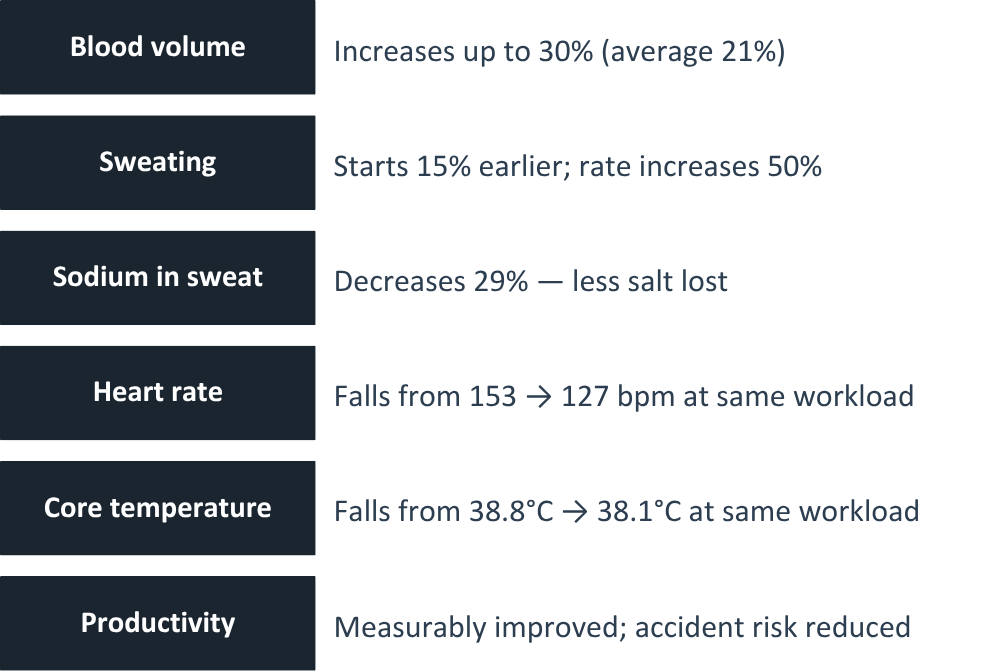
Acclimatisation Timeline (Physiological)
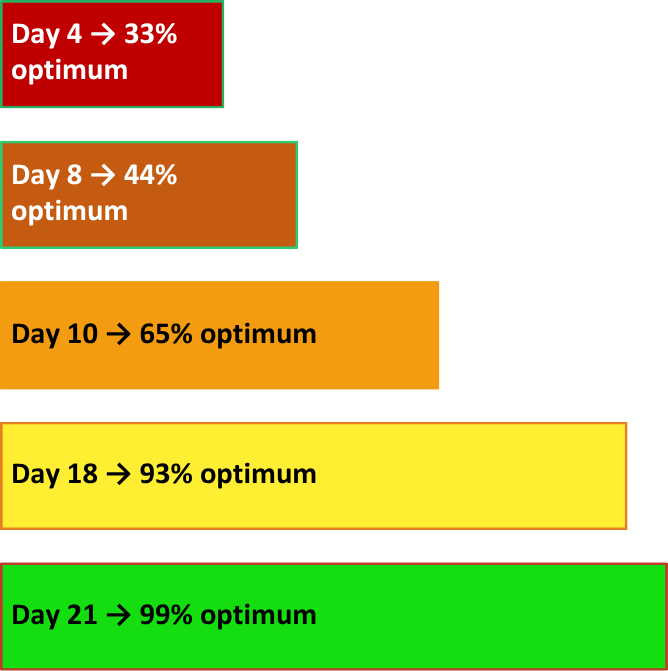
⚠ Loss: 50% lost after 1 week off; full loss after 4 weeks. Requires >2 hrs elevated metabolic rate/day to maintain.
Individual Risk Factors for Heat Illness
Age: Older workers have reduced cardiovascular reserve; less efficient sweating mechanism
Body Weight (BMI): BMI >30: 2× injury risk. Less surface area relative to body mass — less cooling capacity. More heat generated
Physical Fitness: Fit workers have greater aerobic capacity — withstand more heat stress; acclimatise faster
Prior Illness: Flu, diarrhoea, vomiting, hangover = pre-dehydrated. Short-term illness dramatically raises heat illness risk
Medication: Some medications impair sweating or blood pressure control. Workers on medication need medical clearance for hot work
Acclimatisation Status: New starters need 10–21 days to acclimatise. Never let new workers work alone in first week
Alcohol Night Before: Alcohol is a diuretic — workers arrive dehydrated. Night-before drinking is a major heat illness risk factor
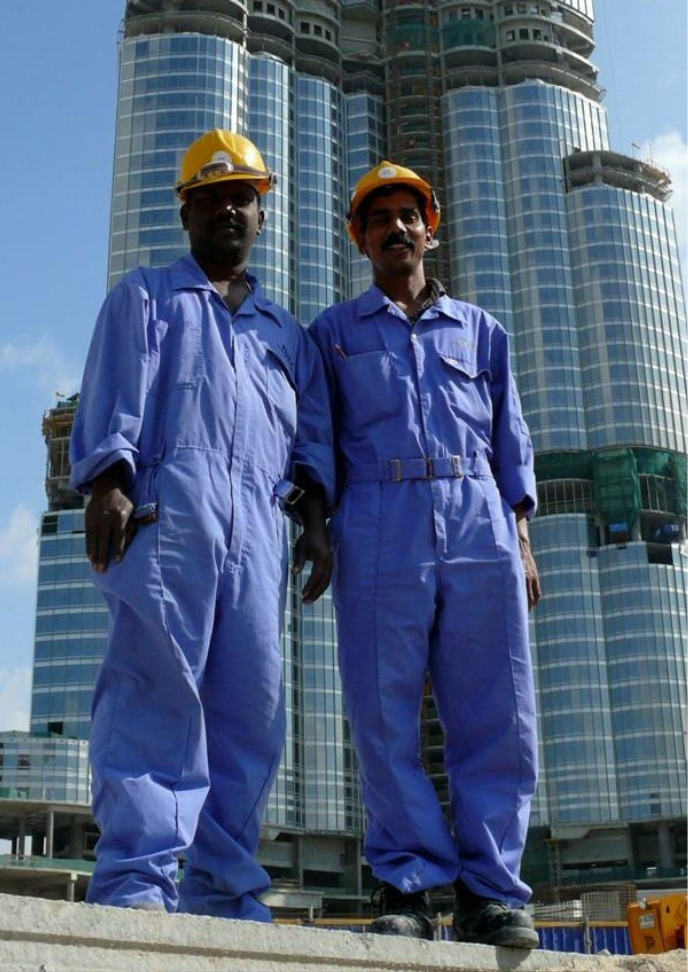
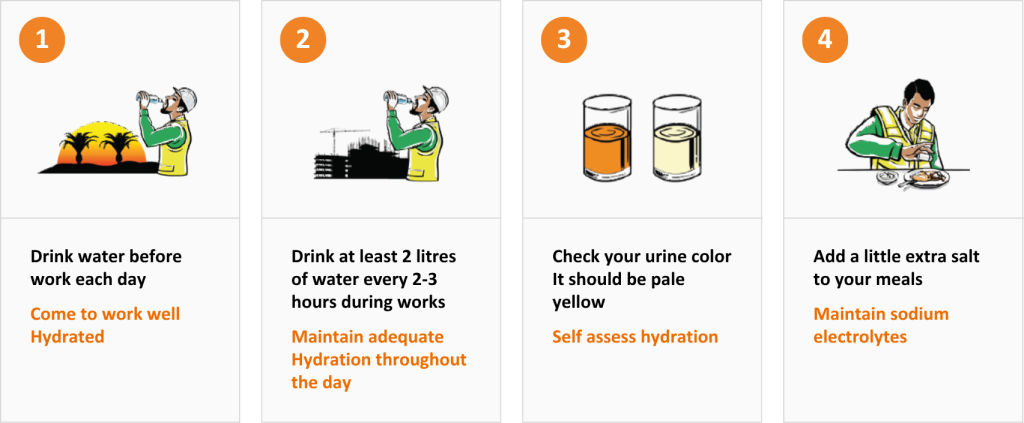
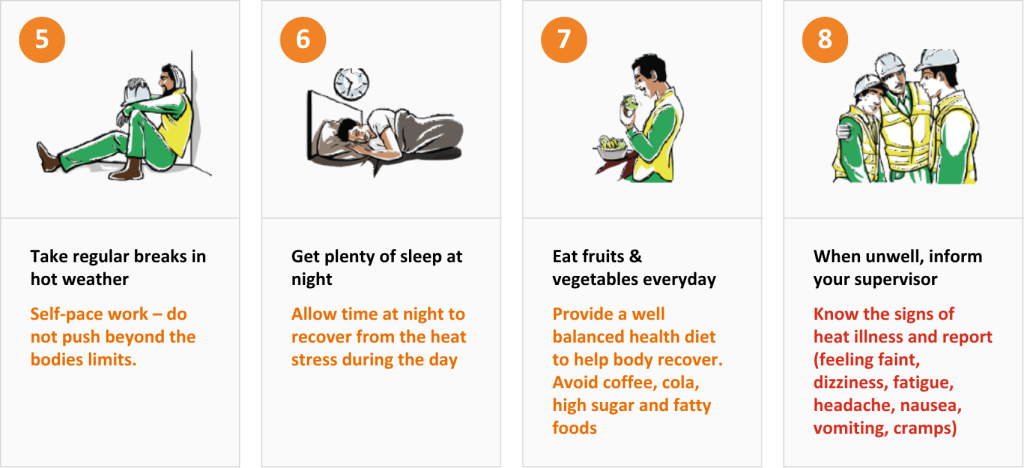
How to Prevent Dehydration – Personal Level