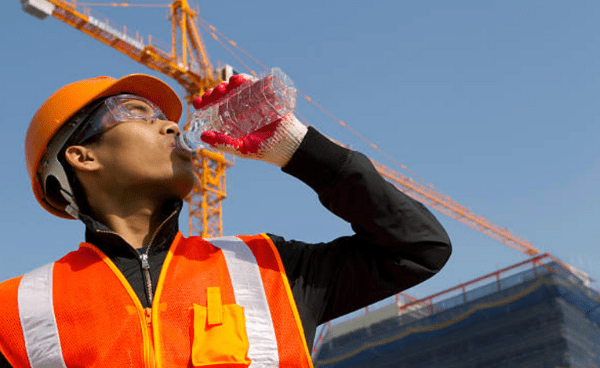
Heat Stress in Human Body
A person experiences heat stress when their bodies are unable to maintain a healthy body temperature naturally. Sweating is the body’s natural response to control and regulate temperature; however, it may not always be enough to prevent overheating in environments with high temperatures and humidity.
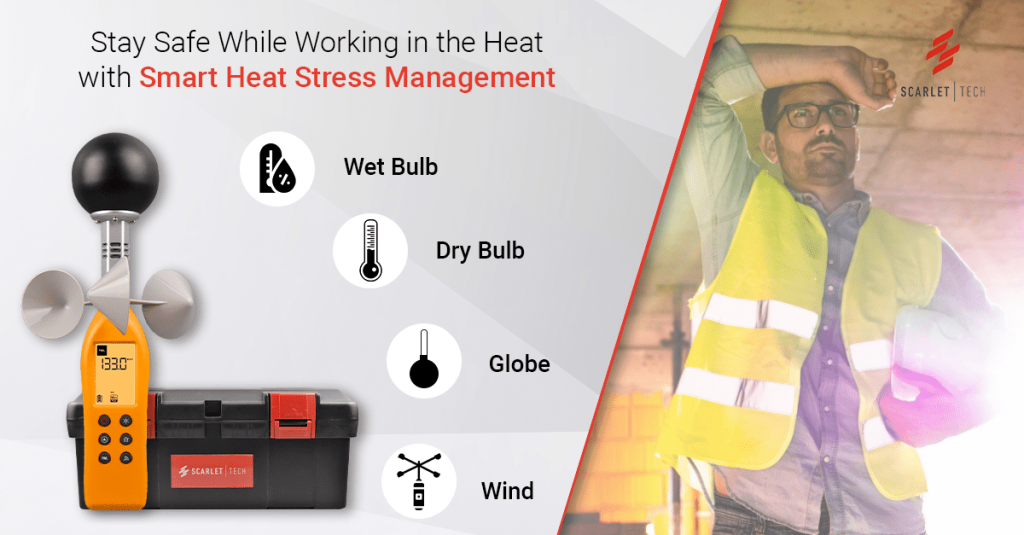
Portable heat stress monitors, such as the TWL-1S Heat Stress Monitor, are commonly used to monitor heat stress indices in order to prevent worker heat stress and fatigue. Furthermore, staying hydrated and taking frequent breaks in the shade or a cooler area can help prevent heat-related injuries and illness.
Wet-Bulb Globe Temperature (WBGT) vs Thermal Work Limit (TWL)
Thermal Work Limit and Wet-Bulb Globe Temperature (WBGT) are indices used to measure the level of heat stress experienced by workers.
Wet-Bulb Globe Temperature (WBGT):
WBGT is a measure of the heat stress in direct sunlight, considering factors such as temperature, humidity, wind speed, and sunlight radiation on humans. WBGT is commonly used to determine appropriate exposure levels of high temperatures and as a guide to managing heat stress safety in the workplaces.
WBGT monitoring requires the use of a dry bulb to measure air temperature, as well as a thermometer in a wet cotton sleeve and a thermometer in a block globe to account for radiant heat. However, it is important to note that WBGT does not account for factors such as the clothing, PPE, or the workload of workers on-site, which can affect the accuracy of readings.
Thermal Work Limit (TWL):
TWL is a heat stress indices developed to address WBGT inadequacies and is used to schedule work-rest schedules based on the safe TWL value. TWL is calculated using five environmental factors, including dry bulb, wet bulb, and globe temperatures (all of which are used by the WBGT measurement), as well as wind speed, atmospheric pressure, and clothing factors, to determine the safe maximum continuously sustainable metabolic rate (W/m2) for the working conditions.
TWL has been widely accepted by many industry professionals as the more accurate and reliable measurement of heat stress. TWL has been shown to be a more realistic and valid index of heat stress and provided management with workable strategies for managing heat stress (Miller and Bates, 2007 1).
How to Measure WBGT Index & TWL Index for Outdoor Workers
Accurate measurement of both WBGT and TWL is essential for protecting outdoor workers in high-heat environments. WBGT reflects environmental heat load, while TWL determines safe metabolic work limits by accounting for wind, pressure, and clothing factors. Using both indices together provides a clearer picture of heat stress risk and supports informed decisions on work-rest cycles, hydration, and emergency responses.
Key Equipment Required for Heat Stress Measurement
To properly measure WBGT and TWL, the following instruments are typically used:
- Dry bulb thermometer – measures ambient air temperature
- Wet bulb thermometer – captures evaporative cooling / humidity impact
- Globe thermometer – detects radiant heat from sunlight or hot surfaces
- Wind speed sensor – required for TWL to assess convective cooling
- Barometric pressure sensor – needed for TWL index accuracy
Modern portable devices like the Scarlet TWL-1S Heat Stress Monitor integrate all these sensors into a single instrument for convenient and accurate field use.
Simple Steps for Measuring Heat Stress Using Portable Monitors
- Place the device in a representative outdoor work area at worker chest height.
- Allow sensors to stabilize for accurate dry bulb, wet bulb, and globe readings.
- Record wind speed and atmospheric pressure, automatically captured by integrated sensors.
- Obtain WBGT and TWL readings directly from the device display.
- Repeat measurements regularly, especially during extreme heat or changing weather.
How to Interpret Readings and Apply Heat Stress Limits
- WBGT readings can be compared with ACGIH TLVs or ISO 7243 limits to determine allowable exposure.
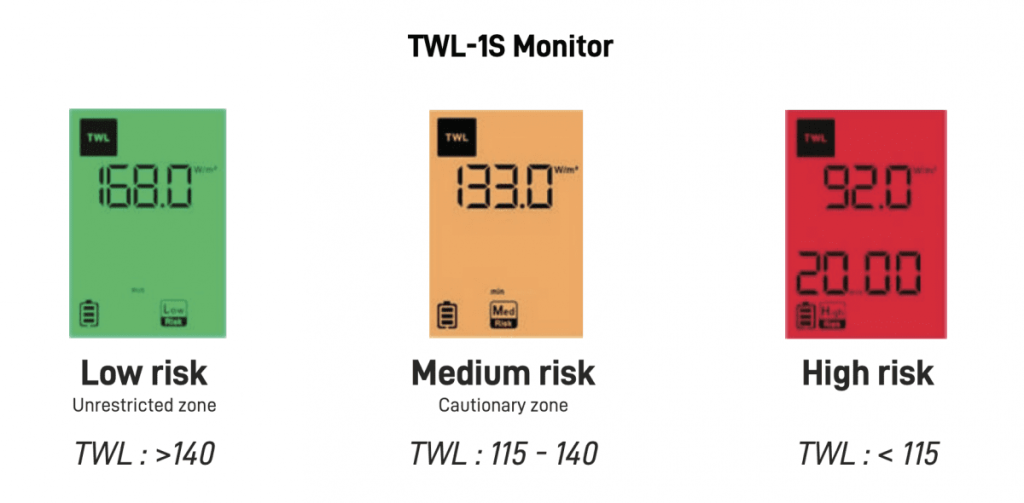
- TWL classifies conditions into:
- Unrestricted Work
- Work with Rest Breaks
- Stop Work / Seek Shade
This helps safety teams adjust workloads and prevent heat-related incidents.
Why Scarlet TWL-1S Is the All-in-One Solution
The Scarlet TWL-1S combines dry bulb, wet bulb, globe temperature, wind, and pressure sensors into one portable device, allowing users to measure both WBGT and TWL simultaneously. With automatic alerts and real-time readings, it provides reliable heat stress assessment for construction supervisors, field operators, and safety managers.
Whether you are measuring heat stress indoor or outdoor at construction sites, factories, or mining areas, Scarlet TWL-1S Heat Stress Monitor is your go-to portable heat stress monitor for accurate heat risk assessment.